
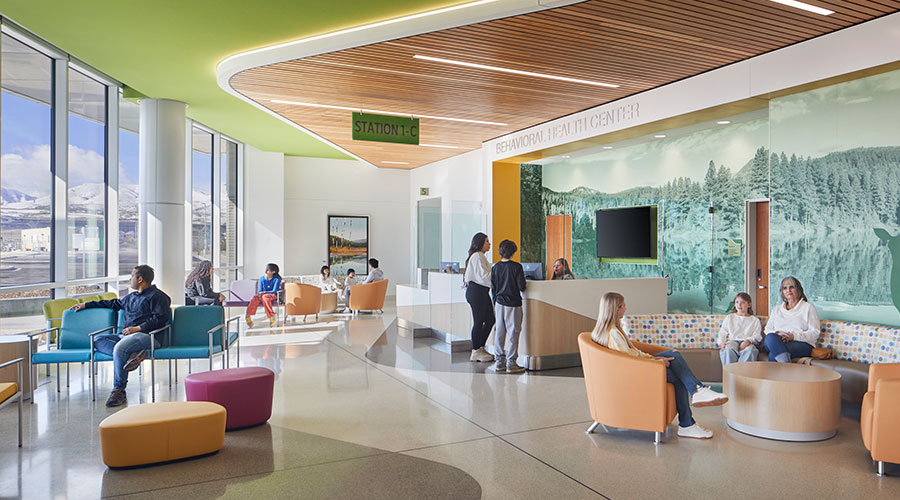
Medical facility design in Australia has evolved significantly over the past decade, with healthcare providers recognising that well-planned spaces directly impact both patient outcomes and staff productivity. The modern approach to healthcare architecture moves beyond sterile functionality to embrace environments that promote healing whilst maintaining operational excellence.
Contemporary Australian medical centres demonstrate how thoughtful planning can transform patient experiences. Concept Health Spaces represent this new paradigm, where design principles integrate seamlessly with clinical requirements. These environments balance the technical demands of modern healthcare with the human need for comfort and reassurance.
Strategic layout planning forms the foundation of effective medical facility design. Circulation patterns must accommodate diverse user groups, patients, visitors, and staff, whilst minimising congestion and maintaining privacy. Zoning strategies separate noisy administrative areas from quiet consultation spaces, creating distinct atmospheres appropriate for different activities.
Patient flow efficiency requires careful consideration of waiting areas, consultation rooms, and treatment spaces. Australian facilities increasingly adopt flexible design solutions that can adapt to changing medical practices and patient demographics. This adaptability proves particularly valuable in regional centres where space constraints demand multi-functional areas.
Natural light integration stands as a priority in Australian medical design. Strategic window placement and skylights reduce dependence on artificial lighting whilst providing psychological benefits to patients and staff. Privacy concerns balance with the desire for outdoor views, leading to innovative solutions like clerestory windows and internal courtyards.
Infection control considerations shape every design decision, from material selection to ventilation systems. Surfaces must withstand rigorous cleaning protocols whilst maintaining an inviting appearance. Air circulation systems require careful planning to prevent cross-contamination between different areas of the facility.
Acoustic design often receives insufficient attention despite its impact on patient comfort and confidentiality. Sound-absorbing materials, strategic wall placement, and mechanical system design all contribute to creating peaceful environments where private conversations remain protected.
Technology integration demands forward-thinking infrastructure planning. Medical facilities require robust electrical systems, data networks, and equipment support systems. Future-proofing these installations prevents costly retrofitting as medical technology continues advancing rapidly.
Colour psychology influences both patient wellbeing and staff morale. Australian medical facilities increasingly move away from institutional white towards warmer, more residential palettes. Wayfinding benefits from colour coding systems that help patients and visitors navigate complex layouts intuitively.
Accessibility compliance extends beyond minimum legal requirements to embrace universal design principles. Thoughtful consideration of mobility challenges, sensory impairments, and cognitive differences creates truly inclusive healthcare environments.
Sustainability considerations align with Australia’s environmental consciousness and economic realities. Energy-efficient systems, water conservation measures, and sustainable materials reduce operational costs whilst demonstrating environmental responsibility to communities.
Staff amenities often receive inadequate attention despite their impact on workforce retention and job satisfaction. Break rooms, storage areas, and private consultation spaces contribute to professional wellbeing and ultimately benefit patient care quality.
The investment in thoughtful medical facility design pays dividends through improved patient satisfaction, enhanced staff productivity, and reduced operational costs. Australian healthcare providers who prioritise both efficiency and comfort create environments where healing thrives alongside operational excellence.