
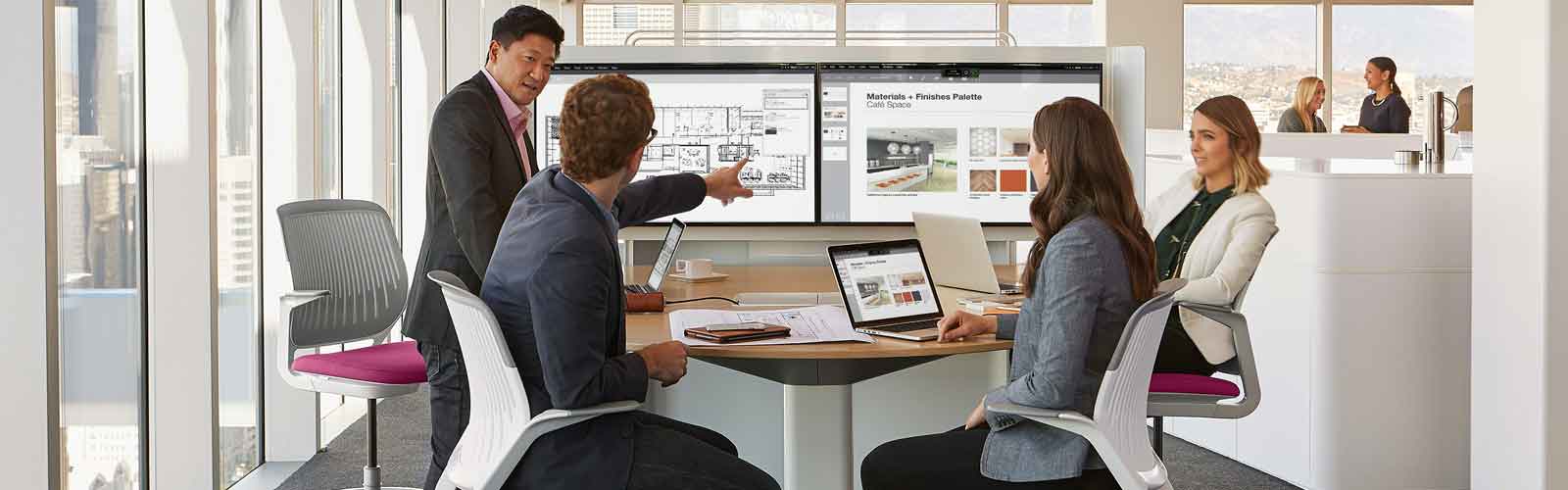
Your brand isn’t just your logo, your website or the tagline on your business cards. It’s every impression people form about your business, and few impressions are as immediate or powerful as walking into your office. Before a client sits down for a meeting, they’ve already absorbed a dozen signals from the space around them: the lighting, the furniture, the noise, the smell, the tidiness and the way they’re greeted.
A cluttered reception area with tired chairs and a faded logo tells one story. A bright, considered space with comfortable seating, natural materials and a warm welcome tells another. Smart businesses recognise that the office is a physical expression of their brand, and many start by refreshing the arrival experience, often taking cues from current reception desk design trends to create a first impression that matches who they are.
The arrival sets the tone
The reception area is the handshake of your physical space. It’s where clients form their first opinion, often within seconds of walking through the door.
A well-designed reception desk anchors the space and makes it obvious where visitors should go. Modern designs tend to be cleaner and more approachable than the bulky counters of the past, with natural timbers, softer curves, integrated lighting and subtle branding. Some businesses are moving towards concierge-style setups or self-service check-in, depending on the size of the team and the type of clients they serve.
Comfortable seating, good lighting, a few plants and somewhere to hang a coat or charge a phone all add to the experience. Offering a glass of water or a coffee while visitors wait is a small gesture that makes a big difference.
Design choices reflect your values
Every design choice says something about your business. A law firm with dark timber, leather and art may convey tradition and gravitas. A creative agency with bright colours, open spaces and collaborative zones may signal energy and innovation. A wellness business with soft lighting, natural materials and greenery may communicate calm and care.
There’s no single right look. The key is alignment. Your office should feel consistent with your website, marketing materials and the way your team behaves. If your brand promises innovation but your office feels stuck in the 1990s, clients may notice the disconnect.
Colour is a powerful tool. Brand colours can be used in feature walls, furniture, artwork and signage, but subtlety often works better than covering every surface. Materials and textures, from polished concrete to warm timber and soft fabrics, also shape how a space feels.
Meeting rooms and client spaces
After reception, meeting rooms are often where clients spend the most time. These spaces should be comfortable, functional and professional.
Choose furniture that supports the type of meetings you hold. Round tables encourage conversation and collaboration, while rectangular tables suit more formal presentations. Comfortable chairs matter, especially for longer meetings.
Technology should simply work. Few things undermine confidence faster than a presentation delayed by cables that won’t connect or a video call that drops out. Reliable screens, easy connections, good acoustics and quality lighting for video calls are now essential.
Privacy is also important, particularly for professional services firms handling sensitive information. Soundproofing and thoughtful room placement help clients feel comfortable discussing confidential matters.
Culture on display
Clients often get a glimpse of your team at work as they move through the office. The way staff interact, the atmosphere and even how workspaces are used can reveal a lot about your culture.
An office designed with employees in mind, with comfortable workstations, quiet zones, collaborative areas and pleasant break spaces, tends to support happier, more productive people. That positive energy is often noticeable to visitors.
Displaying awards, community involvement, team photos or artwork by local artists can help tell your story. Sustainability features, such as recycling stations, energy-efficient lighting and sustainable materials, can demonstrate your values in action.
Even the most beautiful office loses its impact if it’s not well maintained. Scuffed walls, broken chairs, dying plants and cluttered surfaces send the wrong message. Regular cleaning, decluttering and small repairs keep the space looking its best.
Your office is one of the most tangible expressions of your brand. When design, culture and client experience align, the space helps build trust, reinforce your identity and leave visitors with a lasting impression that reflects the quality of your work.