
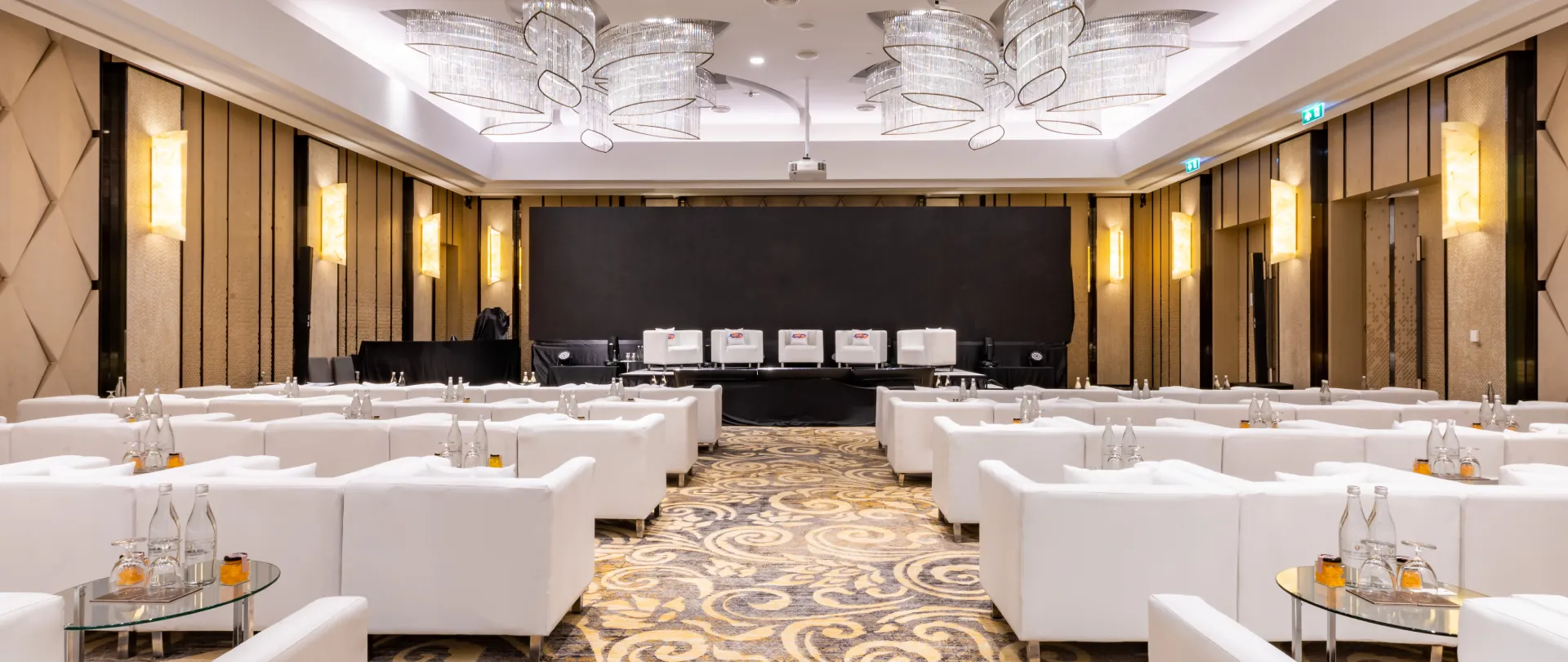
Not every corporate meeting benefits from being in the busiest part of the island. Strategy sessions, leadership discussions and senior team workshops often need a calmer setting where people can think clearly. Choosing a meeting venue in Kamala, Phuket can make sense when the aim is to create focus without removing delegates from the wider Phuket experience.
Some Meetings Need Distance From Daily Distractions
Routine updates can happen in almost any meeting room. More important conversations need a different environment. If a group is reviewing strategy, discussing performance, planning change or making decisions that affect the direction of a business, the setting should help people step away from normal distractions.
A quieter venue can support that shift. Delegates are less likely to be pulled into the habits of a normal workday, and the meeting feels more deliberate. This can be particularly useful for multi-day events where the goal is not only to present information, but to build alignment and leave with decisions.
The value of a destination meeting is not simply that it takes place somewhere attractive. It is that the environment creates enough separation for people to pay proper attention to the work in front of them.
Privacy Helps People Speak More Honestly
Many business meetings require open discussion. Teams may need to talk about performance problems, future plans, operational change, leadership decisions or client relationships. If the setting feels too public, too noisy or too exposed, people may hold back.
A suitable meeting venue should give the group enough privacy to speak freely. This does not always mean complete isolation, but it does mean avoiding constant interruptions, shared spaces that feel too busy, or layouts where confidential conversations are difficult.
Privacy also affects group energy. When delegates feel the space has been arranged specifically for them, they are more likely to participate. The meeting becomes a working environment rather than just another booking in a large venue.
The Day Should Flow Without Forcing Movement
A well-planned meeting has a rhythm. Delegates arrive, settle, work through the first session, break, return, discuss, eat and continue. If the venue forces awkward movement between rooms, breaks feel rushed or lunch is disconnected from the meeting space, the day can lose momentum.
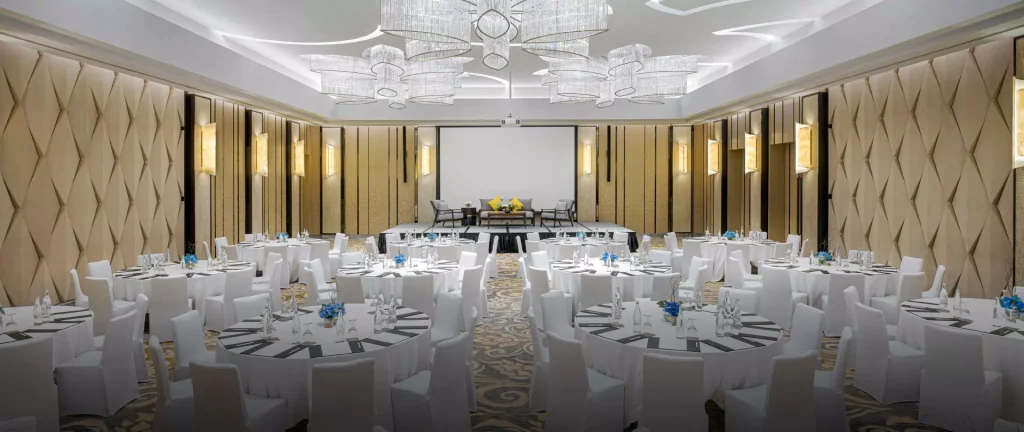
This is especially important for workshops and retreats. People need space to talk informally between formal sessions, and organisers need enough flexibility to adjust the schedule if a discussion runs longer than expected. A rigid venue can make the event feel controlled by logistics rather than by the quality of the conversation.
The best meeting settings make the practical parts of the day feel almost invisible. Delegates should be able to focus on the agenda, not on where they need to go next.
The Setting Should Match The Outcome
A meeting venue should be chosen around the outcome the organiser wants. A sales presentation, board meeting, leadership retreat and team-building session all need different conditions. Some require formality and presentation equipment. Others need discussion space, outdoor areas, dining options or relaxed surroundings that help people connect.
Kamala can be a strong choice for meetings where a calmer atmosphere is part of the value. It offers a different pace from the island’s busiest areas while still allowing organisers to build a broader event programme around the meeting.
A good venue does not guarantee a good meeting, but it can make a good meeting much easier to deliver. When privacy, comfort, flow and setting are aligned with the purpose of the event, people are more likely to leave with clearer decisions and stronger relationships.