
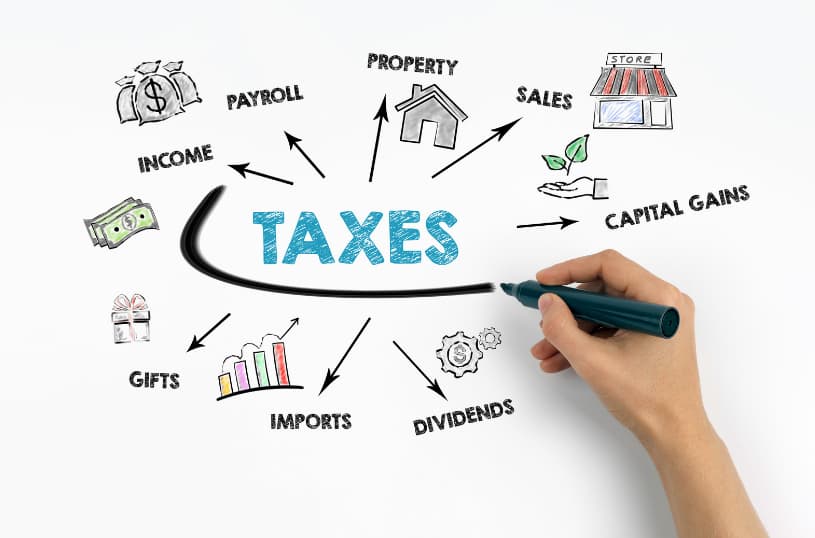
Fiscal policy is one of the most powerful tools governments use to influence economic growth, stability, and development. Through taxation, public spending, and budget management, fiscal decisions directly and indirectly shape investment behavior across markets. Understanding this relationship helps investors anticipate trends, manage risk, and identify opportunities.
What Is Fiscal Policy?
Fiscal policy refers to government actions related to revenue collection and public expenditure aimed at managing economic conditions.
It primarily includes:
- Tax policies
- Government spending programs
- Budget deficits and surpluses
- Public debt management
These measures are used to stimulate growth, control inflation, or stabilize the economy during downturns.
How Fiscal Policy Influences Investment Decisions
Fiscal policy affects investments by altering economic conditions and business confidence.
Key influence channels
- Changes in disposable income
- Business profitability expectations
- Demand for goods and services
- Overall economic growth outlook
Investors closely monitor fiscal announcements to adjust portfolio strategies.
Tax Policy and Its Effect on Investments
Taxation plays a direct role in determining investment returns.
Impact of tax changes
- Lower corporate taxes can boost company profits and stock prices
- Capital gains tax affects equity and real estate investments
- Tax incentives encourage investments in specific sectors
- Higher taxes may reduce disposable income and consumption
Tax-friendly policies often attract both domestic and foreign capital.
Government Spending and Market Opportunities
Public expenditure can stimulate economic activity and sectoral growth.
Investment implications of government spending
- Infrastructure spending benefits construction, cement, and capital goods sectors
- Social welfare programs influence consumer-driven industries
- Defense and technology spending drive innovation-focused investments
- Increased public spending can improve overall market sentiment
Targeted spending often creates long-term investment opportunities.
Fiscal Deficit and Interest Rates
Fiscal deficits occur when government spending exceeds revenue.
Investment impact of fiscal deficits
- Increased government borrowing may raise interest rates
- Higher interest rates can affect bond prices and equity valuations
- Large deficits may crowd out private investment
- Moderate deficits during slowdowns can support economic recovery
The context and scale of deficits matter more than their mere presence.
Fiscal Policy and Equity Markets
Stock markets are particularly sensitive to fiscal policy changes.
Equity market reactions
- Expansionary fiscal policy often supports market growth
- Sector-specific policies create winners and losers
- Policy uncertainty can increase market volatility
- Long-term reforms influence corporate earnings sustainability
Investors often realign sector exposure based on policy direction.
Impact on Fixed Income and Bond Markets
Fiscal policy has a strong influence on fixed income investments.
Effects on bond markets
- Government borrowing affects bond supply
- Rising deficits may push yields higher
- Fiscal discipline supports bond price stability
- Credit ratings may be influenced by fiscal health
Bond investors track fiscal trends to manage duration and credit risk.
Fiscal Policy and Foreign Investments
Global investors pay close attention to fiscal stability.
Foreign investment considerations
- Stable fiscal policy attracts foreign capital
- High deficits may weaken currency confidence
- Fiscal reforms improve long-term growth outlook
- Policy credibility reduces country risk premiums
Sound fiscal management strengthens investor trust.
Short-Term vs Long-Term Investment Impact
Fiscal policy can have different effects over time.
Short-term effects
- Market volatility around budget announcements
- Immediate sectoral rallies or corrections
Long-term effects
- Structural reforms support sustainable growth
- Infrastructure investment boosts productivity
- Improved fiscal balance enhances economic resilience
Successful investors distinguish between temporary reactions and lasting trends.
Key Takeaways for Investors
- Fiscal policy shapes economic and market conditions
- Taxation and spending directly affect returns
- Sector allocation should align with policy priorities
- Long-term fiscal discipline supports stable investment environments
Staying informed helps investors position portfolios proactively.
Frequently Asked Questions (FAQs)
1. How often does fiscal policy change impact markets?
Markets respond most strongly during budget announcements or major policy reforms, though long-term effects unfold gradually.
2. Is expansionary fiscal policy always good for investments?
It can boost growth, but excessive spending may increase inflation or debt risks.
3. How does fiscal policy differ from monetary policy for investors?
Fiscal policy focuses on taxes and spending, while monetary policy manages interest rates and liquidity.
4. Do fiscal policies affect all sectors equally?
No, certain sectors benefit more depending on government priorities and spending focus.
5. How can individual investors track fiscal policy developments?
By following budget releases, economic indicators, and policy statements from government authorities.
6. Does fiscal policy influence real estate investments?
Yes, through taxation, infrastructure spending, and housing incentives.
7. Should long-term investors react immediately to fiscal changes?
Long-term investors should assess whether policy changes alter economic fundamentals before making adjustments.
The impact of fiscal policy on investments is both immediate and enduring. Investors who understand its mechanisms are better equipped to navigate market shifts, reduce uncertainty, and capitalize on policy-driven opportunities.