
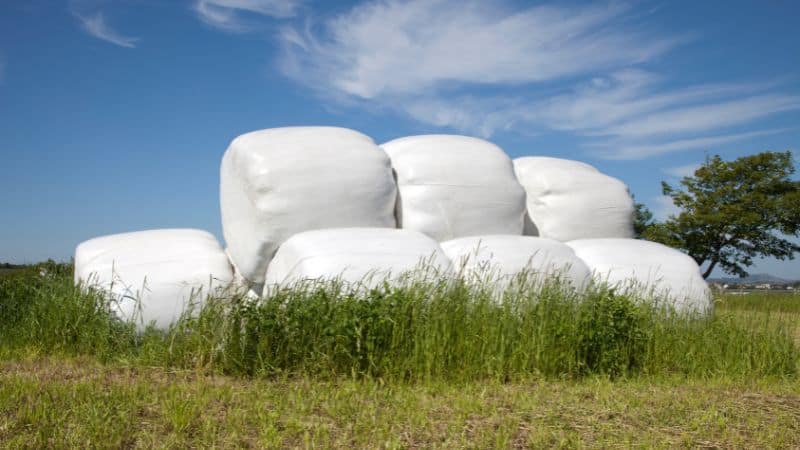
Storing hay effectively is a cornerstone of successful livestock farming, ensuring that animals have access to nutritious feed regardless of the season. The quality of stored hay can degrade quickly when exposed to the elements, leading to nutrient loss and spoilage. Using high-quality silage film provides a reliable method for protecting this valuable asset from weather-related damage.
This protective layer, often referred to as hay wrap, is designed to create a weatherproof barrier around the bale. This is especially important in climates like Thailand’s, where intense sun and heavy seasonal rains can severely impact the quality of unprotected hay. By investing in a durable film, farmers can substantially reduce feed loss and maintain the nutritional integrity of their harvest.
The use of a superior film ensures that the hay remains dry and free from mold, which can be harmful to animals. It’s a proactive step that safeguards the time, effort, and resources invested in producing the hay. A well-wrapped bale is better protected, leading to better feed quality and, consequently, healthier livestock.
Weather & Moisture Protection
The most immediate benefit of using silage film for hay storage is protection against moisture. Rain can seep into unprotected bales, promoting the growth of mold and bacteria. This not only spoils the hay, making it unpalatable and unsafe for consumption, but it also reduces its nutritional content. A high-quality film provides an impermeable barrier that keeps rainwater out.
In addition to rain, the film protects against ambient humidity, a constant factor in tropical regions. By sealing the bale, the wrap prevents the hay from absorbing moisture from the air, which helps to maintain its dryness and quality over long storage periods. Furthermore, the film shields the hay from the damaging effects of ultraviolet (UV) radiation from the sun, which can bleach the hay and break down essential nutrients like vitamins.
Reduce Spoilage
Hay that is stored improperly can suffer significant losses. The outer layers of an unwrapped bale are often the first to spoil, becoming a wasted resource. When hay is wrapped properly, these losses are minimized. The film preserves the entire bale, meaning a much higher percentage of the harvested crop can be used as feed.
This reduction in waste has a direct positive impact on a farm’s bottom line. Less hay is lost to spoilage, which means farmers do not have to produce or purchase as much supplementary feed. By preserving the quality of the hay, the film helps to ensure a consistent and reliable food source for animals, which is especially important during dry seasons or periods of low pasture growth.
Preservation of Nutritional Value
The primary goal of storing hay is to retain as much of its original nutritional value as possible. When hay is exposed to air and moisture, oxidative processes begin, which break down proteins, vitamins, and energy content. A quality silage film limits this exposure, effectively slowing down the degradation process.
By keeping the hay in a stable, sealed environment, the wrap helps to preserve its color, aroma, and nutrient profile. This means that when the bale is opened months later, the feed is more nutritious and palatable for the livestock. Animals fed higher-quality forage are generally healthier and more productive, whether for milk, meat, or work. Using a dependable film is a straightforward method for maintaining the feed quality that farmers work hard to achieve in the field.